
Our Services

What is a Health and Safety Audit?

Every occupier is required to cause a health and safety audit of the workplace at least once in every period of 12 months by a health and safety adviser registered for that purpose by the Director of Occupational health and safety as per Section 10 of Legal Notice No 31 of 2004.The main legislation which is relevant to this subject is the Occupational Safety and Health Act, 2007 and its subsidiary legislations. A Health and Safety Audit of workplaces and their associated operations is a way of periodically checking if and how they are complying with requirements of the Occupational Safety and Health Act, 2007. It also allows comparisons to be made between the areas that are performing well regarding health and safety management and those that are not. The health and safety audit is carried out as per the code of practice for health and safety auditing. This is done by a DOSHS approved health and safety auditor. The outcome of the audit is documented and a copy of the report submitted to the Directorate of Occupational Health and Safety Services as required under Sec. 13 (1) of Legal Notice No. 31 under the Occupational Safety and Health Act, 2007 of the laws of Kenya. Our team will also offer advice and guidance on actions necessary to enable the company to fully comply with health & safety regulations and best industry practice. We also walk with you towards ensuring that the company fully complies with all the requirements of the OSHA 2007 and all its subsidiary legislation as well as ensuring the company achieves a reasonable level of safety culture.

"A Health and Safety Audit is more than a statutory requirement, it is a proactive step toward protecting your workforce, safeguarding your assets, and building a culture of safety."

TERMS OF REFERENCE OF THE SAFETY AND HEALTH AUDIT

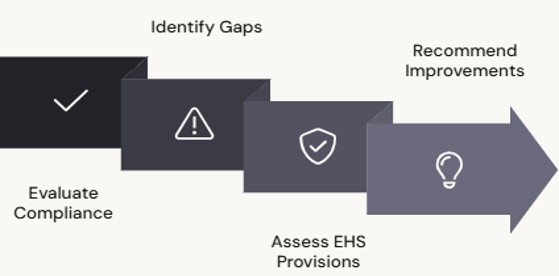
The audit will be carried out with the main objective of evaluating compliance of the workplace and its operations with the provisions of the Occupational Safety and Health Act, 2007 and all the relevant subsidiary legislations. The audit as well is intended to establish EHS provisions and management gaps with the view of providing recommendations for the purpose of improvement where applicable.

AUDIT OBJECTIVES

The Auditors main objective will be to assess occupational health and safety issues that are as a result of the workplace operations of the effectiveness of the mitigation measures currently in place for ensuring occupational health and safety of the personnel, installations and surrounding environment.

  • Assess the status of the facilities in line with the requirements defined in the Occupational Health and Safety of 2007, document the findings in the acceptable audit report and report this to the DOSHS by submitting a detailed report of the findings and recommendations made.
  • Review and evaluation of other recommendations made by either health and safety advisers or officers who may have visited this workplace in the past twelve months.
  • Review and evaluation of the progress made in the Implementation of the recommendations made in the previous Health and Safety audit reports.
  • Advice and give recommendations to the Occupier, employees and other stakeholders on matters relating to occupational Health and Safety in this workplace.
  • Employee occupational health and safety awareness levels and The Workplace’s compliance to all Legal Notices regulated by OSHA2007
  • Prepare the workplace statutory Occupational Health and Safety audit annual report in fulfilment of the legal requirement in accordance with OSHA 2007.

AUDIT METHODOLOGY

The audit methodology shall comprise six fundamental steps:

  • Pre-audit/preliminary or opening meetings
  • Desk review of available health and safety documents
  • Sites inspection and data gathering through questionnaires and interviews
  • Data analysis (comparing findings to expectations in the cited legal frameworks)
  • Post-audit/feedback or closing meetings and presentation of draft health and safety reports Presentation of final health and safety reports to both management and the DOSHS

What is a Risk Assesment

Risk assessment is a process in which hazards are evaluated. These evaluations determine whether an exposed population is at greater-than-expected risk of injury, and/or ill-health, or whether there will be equipment and machinery damage that leads to lost production etc. Risk assessment is the start of the risk management process. It enables employers to understand the action necessary to improve workplace health and safety, as well as to enhance productivity. As per DOSHS directive and in compliance with OSHA, 2007, Every occupier of a workplace shall carry out appropriate occupational safety and health risk assessments in relation to the safety and health of persons employed and send a copy of a report of risk assessment to the Director of Occupational Safety and Health Services. The report shall include all work activities under the control of the employer that predispose to occupational exposure to hazards and all adopted preventive and protective measures in accordance with section 6(3), 6(4) and 6(4) of the Occupational Safety and Health Act, 2007. The report shall be presented to the Director within thirty (30) days from the date of reopening.

"A Risk Assessment is more than a checklist, it is a strategic approach to identifying hazards, preventing incidents, and ensuring every worker operates in a safe and secure environment."

SCOPE OF THE ASSESSMENT

The risk assessment will take into account not only all workers but also suppliers, clients and visitors to the workplace.

  • The entire working day.
  • The risks associated with commuting to work
  • Access to common areas such as cafeterias and sanitary facilities
  • Areas of the building where workers converge.

METHODOLOGY

The process will be undertaken using Quantitative risk assessment approach to evaluate the risks with risk being rated as High, Medium or low based on their value.

  • Pre-audit/preliminary or opening meetings
  • Desk review of available health and safety documents
  • Sites inspection and data gathering through and Identifying of Workers likely to be exposed
  • Select appropriate controls to protect workers using a hierarchy of control
  • Post-audit/feedback or closing meetings and presentation of draft health and safety reports Presentation of final health and safety reports to both management and the DOSHS
What is Fire Safety Audit?

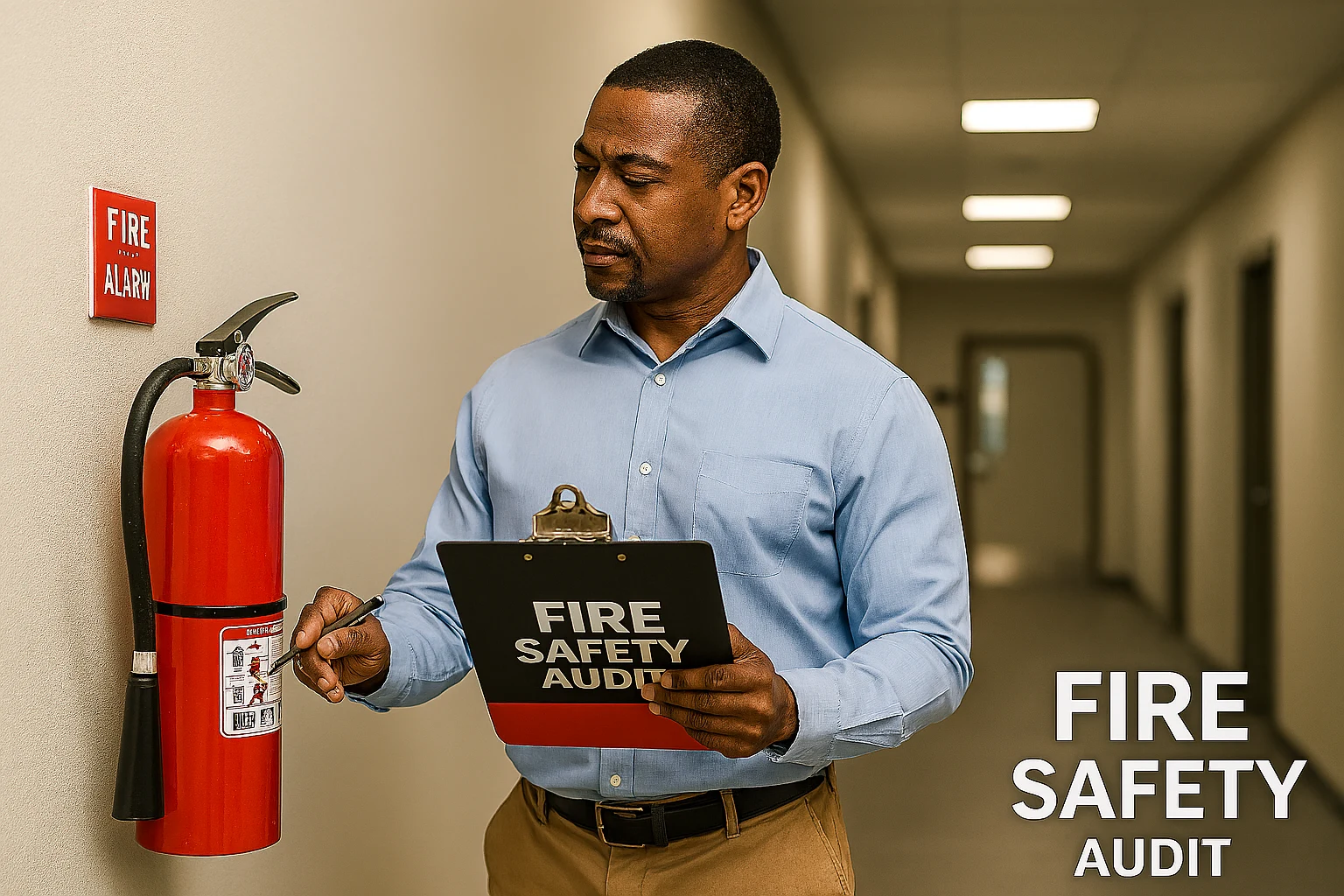
The statutory Fire Safety Audit of Workplaces in Kenya is a legal requirement governed by the Occupational Safety and Health Act (OSHA [2007], and its subsidiary legislation (Legal Notice No. 59/2007, Fire Risk Reduction Rules, 2007). This is done in order to ensure that occupiers always provide safe and fire risk reduced work environment for workers, neighbors and other stakeholders besides benefiting the surrounding environment. Failure to ensure such conditions, according to the provisions of OSHA [2007], can result in huge fines besides arraignment in court of the company directors, managers and other officers, as the case may dictate.

"Alarms, extinguishers, and evacuation plans are just as important in protecting lives and property when every second counts."

METHODOLOGY AND WORK PLAN 

The fire safety audit shall be conducted in three stages as detailed below

I. Pre-audit activities

In this phase an audit plan for the entire exercise shall be developed identifying the planning and logistic details, the actual on-site activities and action parties, tools for executing the tasks, documents required for review, etc. It is at this stage, during the opening meeting, that the lead fire safety auditor and the client's representative(s) shall review and affirm the audit objectives and scope, number of persons to be interviewed on each site besides other facilitation arrangements.
The documents necessary include but not limited to the following:

  • Site fire safety organizational structure.
  • Site fire safety policies, manuals, procedures and programmes, Site layout plans and safety equipment deployment plans.
  • Past statutory fire safety audit reports, Description of site processes and activities, etc. Fire emergency control procedures.
  • Staff training records on fire safety.
  • Fire accident/incident investigation reports.
  • Safe operating procedures for various operations Records of fire drills Record of work permits
  • Maintenance and testing records of fire detection and firefighting equipment Any other documents that the client may avail for the audit exercise.

II. On site activities

Once the phase one above is successfully accomplished, the second phase's objective shall be fourfold; to,

  • Determine the status the proponent’s internal Fire Safety Practices
  • Verify the proponent’s level of compliance with its own internal fire safety management plans:- policies, procedures and programs
  • Compare the existing fire safety practices with the requirements of the OSHA [2007] regulations
  • Identify improvement opportunities (gaps) and advice the client as appropriate.
  • Introduce the Fire Safety Audit experts to the client’s team and vice versa, spell out the audit objectives, scope and approach as well as attempt to address any questions that may arise.
  • On-site fire safety management system review, and observation
  • Inspection of site and fire safety systems layouts as existing; instructions, warning caution postings, etc.
  • Site fire safety profiling and characterization with a view to categorizing hazard profiles.
  • Meeting with site S&H committee representatives and advise on fire matters

III. Post-audit activities

In this phase the Fire Safety experts shall compile, analyze and interpret the findings from the information gathered in phase two of the exercise. The report emanating from this shall address the following:

  • Compliance with the relevant Fire Safety legislation and other attendant regulations with respect to the client's operations.
  • An evaluation of the client's Fire Safety program as it exists; i.e. policies, manuals, procedures and work instructions.
  • A detailed analysis of the prevailing behavioral practices with respect to stipulated requirements especially in relation to fire protection, detection and containment, and worker fire safety awareness levels.
  • A way forward from the gap analysis.

What is an Environmental Audit?

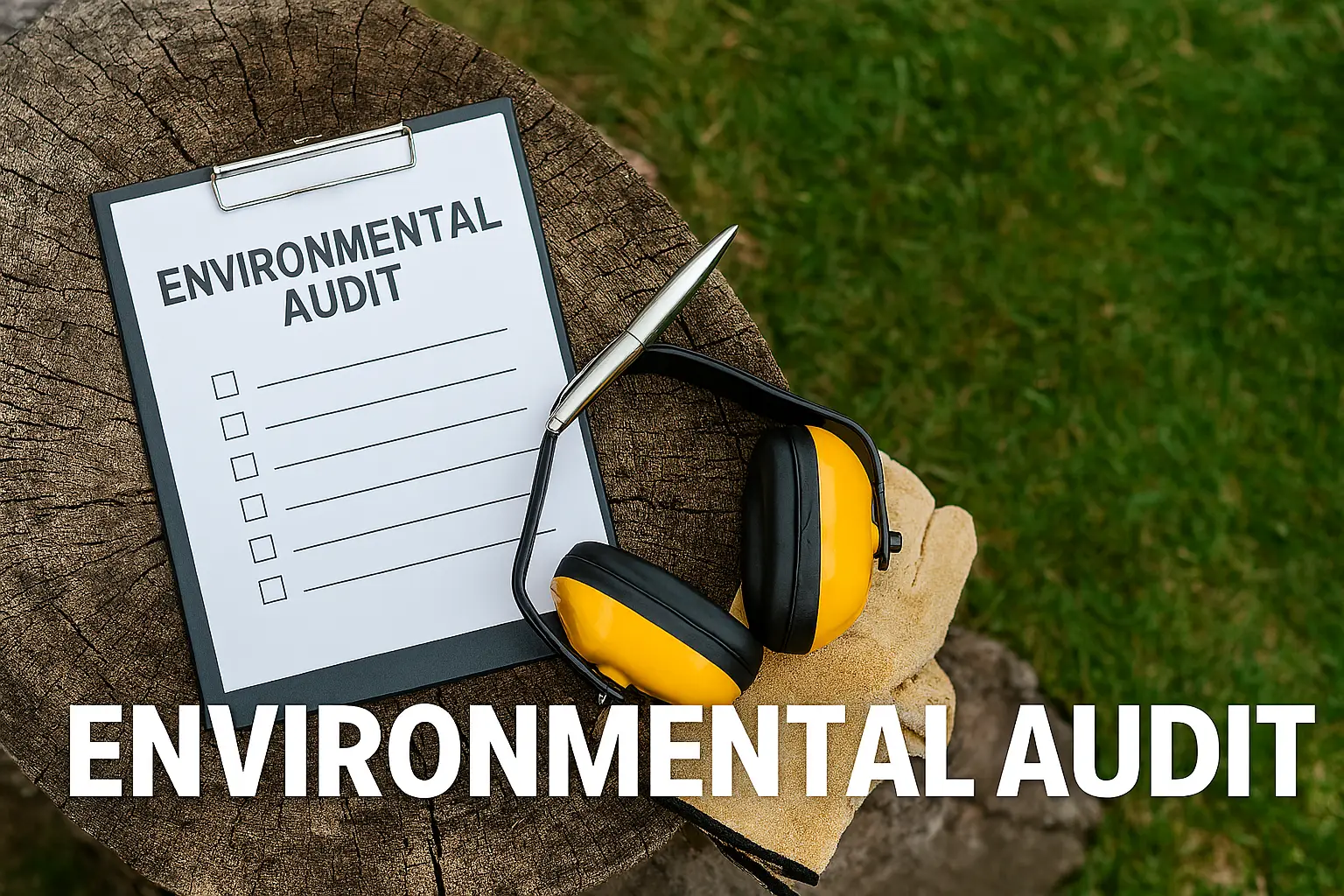
An Environmental Audit is a structured, evidence-based, and independent assessment carried out periodically to evaluate how well the ongoing activities and operations of a project align with its approved Environmental Management Plan (EMP) and the principles of sound environmental stewardship. This process plays a crucial role in identifying the extent to which a project complies with environmental requirements throughout its lifecycle from design and implementation to operation and eventual decommissioning. Environmental compliance audits are a critical tool for private sector operators, public institutions, and individuals with regulated environmental responsibilities. These audits provide a comprehensive review of operations, identify areas of non-compliance, and recommend specific actions and timelines for rectification. They also assess opportunities for pollution prevention, waste reduction, and improved environmental performance. As required under the Environmental Management and Coordination Act (EMCA), 1999 and the Environmental (Impact Assessment and Audit) Regulations, 2003, all audits must be undertaken by NEMA-registered Lead Experts or Consulting Firms.

"It's not just about compliance, it’s about safeguarding natural resources, reducing risks, and ensuring your operations leave a positive footprint for future generations."

Purpose of the Environmental Audit

The primary aim of an Environmental Audit by Amosafety Consultancy Limited is to ensure that projects remain compliant with environmental legislation and best practices. The audit assesses whether the project activities adhere to environmental regulations, policy frameworks, and international standards, while also reinforcing the importance of sustainability and safety in project execution.

Scope and Focus Areas of an Environmental Audit

During an audit, our environmental professionals will:

  • Clearly outline the audit’s objectives, scope, and compliance criteria.
  • Review all applicable environmental legislation, policy instruments, and regulatory frameworks, especially regarding natural resource use, pollution control, and occupational health and safety.
  • Assess compliance with the conditions outlined in the Environmental Impact Assessment (EIA) license and Environmental Management Plan (EMP).
  • Examine infrastructure and operations documentation, including facility design and engineering reports.
  • Evaluate monitoring systems, emergency response procedures, and mitigation strategies currently in place.
  • Investigate past incidents or near misses related to environmental or health hazards and assess the risk of future occurrences.
  • Conduct interviews with employees, community members, and other stakeholders to gain insights into health, safety, and environmental concerns.

Audit Report Deliverables

The environmental audit report prepared by Amosafety Consultancy Limited typically includes, but is not limited to, the following information:

  • Historical and current environmental impacts of the project.
  • Capability and environmental responsibility of the project's management and operators.
  • Internal systems in place to identify, monitor, and manage activities with potential environmental harm.
  • Safety procedures and health protections afforded to workers and nearby communities.
  • Awareness and capacity-building initiatives aimed at ensuring compliance with environmental laws and policies among staff and management.
  • Practical and prioritized recommendations for continuous environmental improvement.

What is OSH Training?

Occupational Health and Safety (OHS) Training is an essential compliance and risk mitigation activity tailored for members of the Health and Safety Committee within every workplace. This training empowers committee members with the knowledge and skills necessary to identify hazards, assess risks, and recommend appropriate preventive measures to ensure the safety and well-being of all employees.

"Empower your workforce with the knowledge, confidence, and practical skills to prevent risks, respond effectively, and champion a culture of safety every day."

TRAINING MODULES

  • Safety & Health Management Systems
  • Introduction to the Occupational Safety & Health Act, 2007
  • Health & Safety Committees
  • Personal Protective Equipment (PPE)
  • Occupational Accidents & Incident Management
  • Safe Work Procedures
  • Workplace Inspection Techniques
  • Machinery Safety
  • Electrical Safety
  • Occupational Hygiene
  • Workplace Stress Management
  • Workplace First Aid Management
  • Alcohol & Drug Abuse Awareness

What is Fire Safety Training

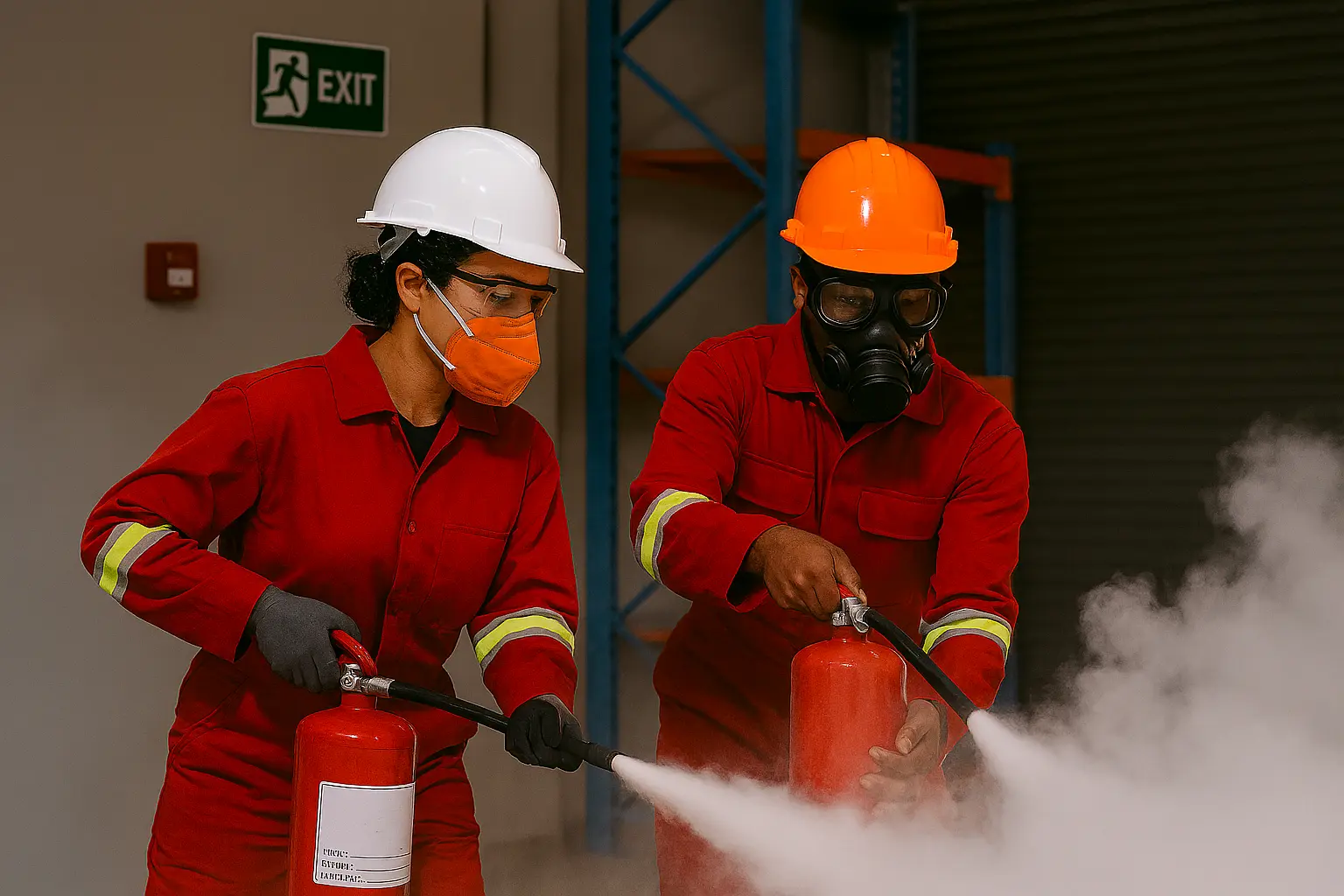
Fire safety training is a crucial preventive measure implemented to build workplace resilience against fire-related emergencies. In accordance with Section 21 of the Fire Risk Reduction Rules, 2007, employers are obligated to provide structured fire safety training for employees. The training equips staff with the knowledge and skills to respond effectively to fire incidents, prevent panic, and minimize injury and damage. As part of this initiative, designated fire marshals and emergency response teams are trained in fire prevention, safe evacuation procedures, use of fire extinguishers, and coordination during emergencies. A fire drill is also typically conducted to simulate real-life scenarios and assess the effectiveness of the facility’s fire response strategy.

"Fire safety isn’t just about putting out flames it’s about preventing them, preparing for them, and protecting lives when they strike"

Teaching Approach

  • Safety & Health Management Systems
  • Introduction to the Occupational Safety & Health Act, 2007
  • Health & Safety Committees
  • Personal Protective Equipment (PPE)

Training Modules

Module 1: Understanding Fire Safety Law

  • Safety & Health Management Systems
  • Introduction to the Occupational Safety & Health Act, 2007
  • Health & Safety Committees
  • Module 2: The Science of Fire

  • Personal Protective Equipment (PPE)
  • Occupational Accidents & Incident Management
  • Safe Work Procedures
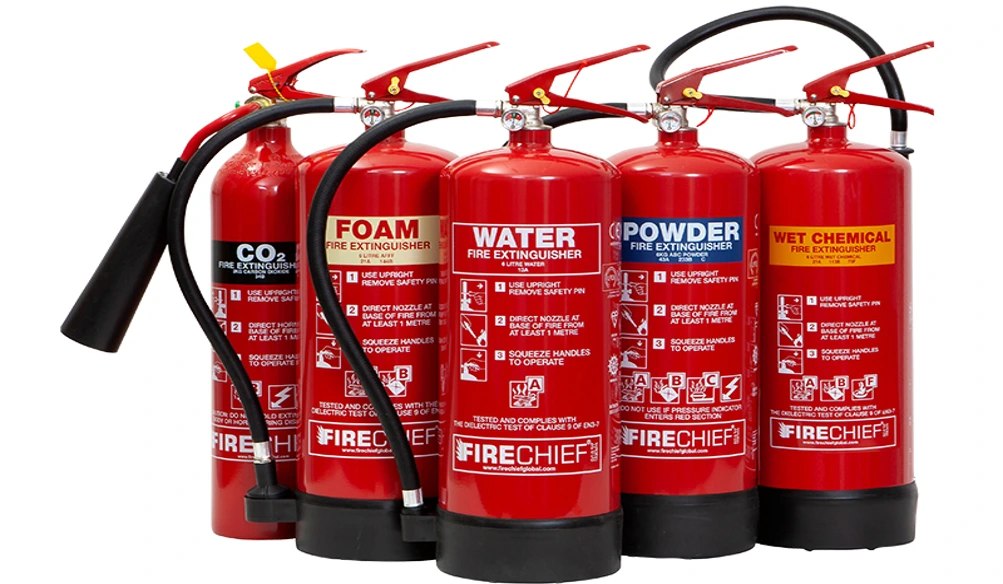
  • Module 3: Types of Fire and Matching Extinguishers

  • Workplace Inspection Techniques
  • Machinery Safety
  • Electrical Safety
  • Occupational Hygiene
  • Module 4: Fire Prevention Strategies

  • Workplace Stress Management
  • Workplace First Aid Management
  • Alcohol & Drug Abuse Awareness
  • Occupational Hygiene
  • Module 5: Emergency Response Protocol

  • Personal Protective Equipment (PPE)
  • Occupational Accidents & Incident Management
  • Safe Work Procedures
  • Module 6: Fire Safety Inspections & Preparedness

  • Workplace Inspection Techniques
  • Machinery Safety
  • Electrical Safety
  • Occupational Hygiene
  • Module 7: Practical Fire Drills

  • Workplace Stress Management
  • Workplace First Aid Management
  • Alcohol & Drug Abuse Awareness
  • Occupational Hygiene

Course Assessment and Resources

  • Written test to evaluate knowledge.
  • Practical skills assessment during firefighting and evacuation drills.
  • LCD projector and laptop for presentations.
  • Training manuals, pens, and notebooks.
  • Fire safety videos and visual guides.

Certificates will be issued to all participants who successfully complete the course.

Client Requirements

To ensure effective delivery, the organization should provide:

  • A suitable indoor training space and open area for drills.
  • Access to the following firefighting equipment for practice.

What is Firs Aid Training

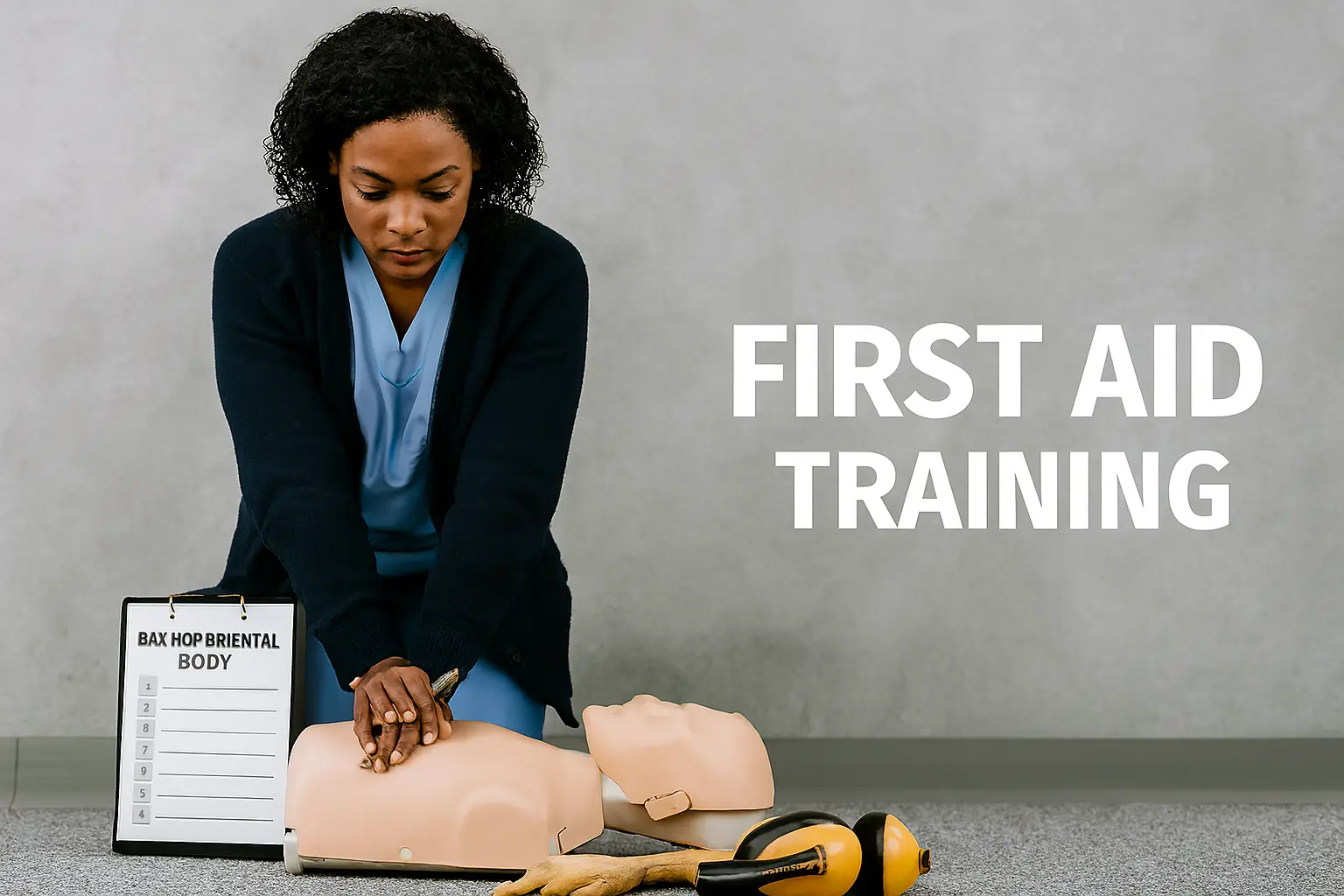
First Aid Training equips individuals with the knowledge and practical skills to respond effectively during medical emergencies. It covers essential techniques such as administering CPR, treating wounds, managing burns, controlling bleeding, and handling fractures before professional medical help arrives. By learning these lifesaving skills, participants become confident in safeguarding lives, reducing risks, and providing timely support in both workplace and everyday situations.

"First Aid Training turns ordinary individuals into first responders ready to save lives, ease pain, and provide critical support in the moments that matter most."

Training Objectives

  • Preserve life through immediate and effective intervention.
  • Prevent worsening of injuries or illness.
  • Promote recovery and reduce long-term harm.
  • Enhance workplace readiness and compliance with legal First Aid requirements.

Course Content

Module 1: Bleeding Control & Minor Injury Management

  • Nosebleeds, arterial, and venous bleeding control
  • Internal bleeding recognition and response
  • Cleaning, dressing, and bandaging minor cuts and abrasions
  • Module 2: Management of Amputations

  • First response for amputated fingers, hands, arms, toes, feet, or legs
  • Preserving amputated parts for possible reattachment
  • Module 3: Fracture & Dislocation Management

  • Neck, skull, and jaw fractures
  • Limb and rib fractures
  • Safe splinting and immobilization techniques
  • Module 4:Eye Injuries

  • Removal of foreign objects
  • Managing perforations, cuts, and chemical exposure
  • Treating burns from radiation or heat
  • Responding to blunt-force eye trauma
  • Module 5: Ear Injuries

  • Foreign object removal
  • Managing ruptured eardrums and impact injuries
  • Module 6: Burns & Scalds

  • Chemical burns from corrosives
  • Direct flame burns
  • Contact burns from hot surfaces
  • Scalds from hot liquids or steam
  • Electrical burns and internal injury risks
  • Module 7: Unconsciousness and Cardiopulmonary Resuscitation (CPR)

  • Adult, child, and infant CPR
  • Use of Automated External Defibrillators (AED)
  • Causes, recognition, and immediate action
  • Recovery position techniques

Module 8: Gassing Emergencies & Smoke Inhalation

  • Recognizing symptoms of inhalation injuries
  • Emergency oxygen administration basics
  • Module 9: First Aid for Special Conditions

  • Asthma, epilepsy, diabetes, hypertension, and stroke
  • Obstetric emergencies
  • Ingestion of corrosive or toxic substances
  • Inhalation poisoning
  • Module 10: Extras

  • Casualty Handling
  • Infection Control in First Aid
  • Shock Management
  • Animal & Insect Bites
  • Emergency Preparedness & Response
  • Legal & Regulatory Compliance
  • Target Group

    • Designated Workplace First Aid Team
    • Safety Committee Members
    • Supervisors and Team Leaders
    • Any staff member who may act as a first responder

    Certificates will be issued to all participants who successfully complete the course.

    Client Requirements

    To ensure effective delivery, the organization should provide:

    • A suitable indoor training space and open area for drills.
    • Access to first Aid equipment for practice.

    Post Comment

    Your email address will not be published. Required fields are marked *